Analysis of API 5CT Grade H40
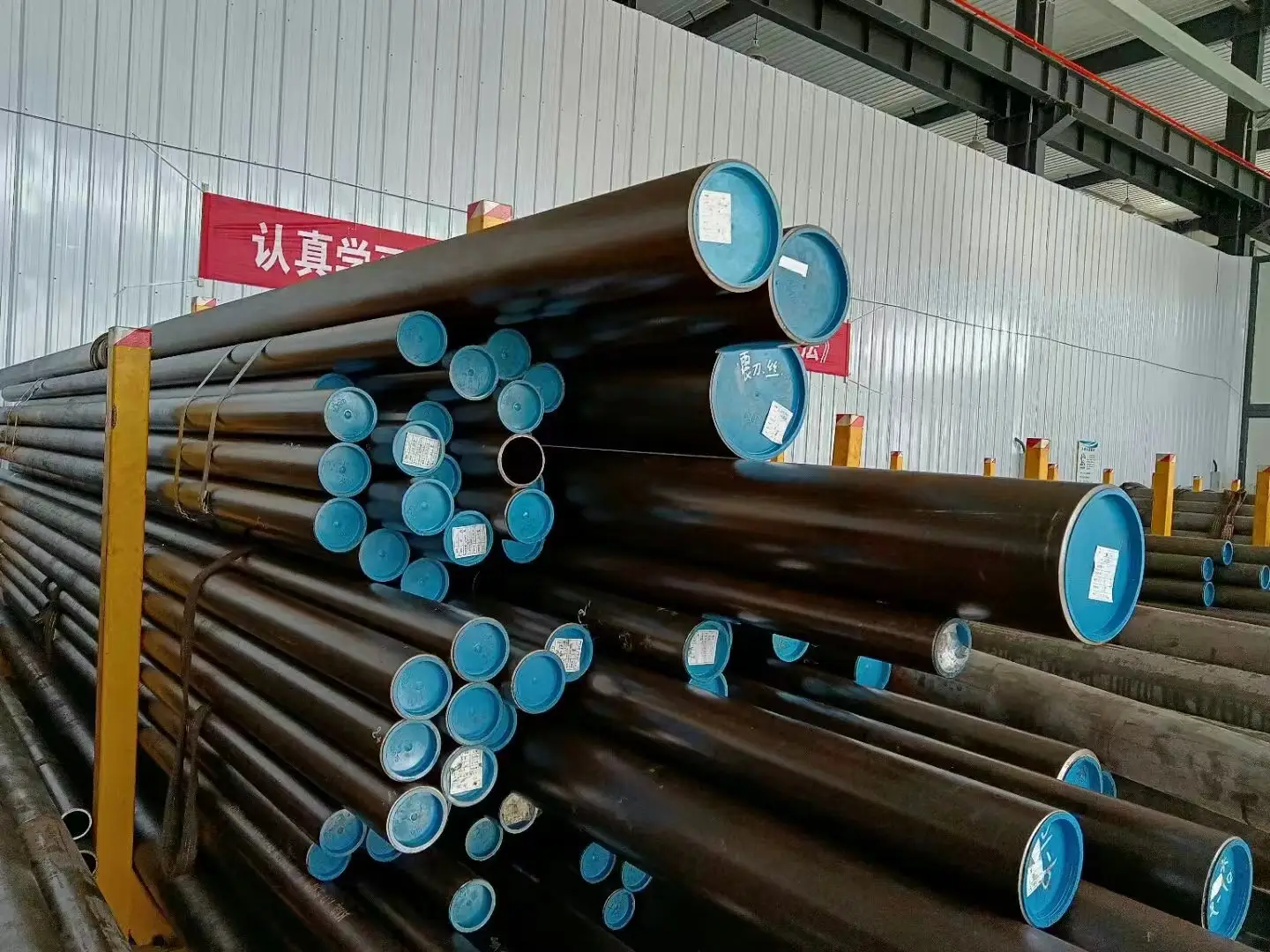
Grade H40 is a foundational, low-strength grade of casing and tubing specified by the API 5CT standard. It is primarily used in shallow, low-pressure, or non-critical oil and gas wells, as well as in water wells and as conductor or surface casing.
1. Mechanical Properties Analysis
The mechanical properties of H40 are defined by minimum thresholds, reflecting its role as a basic, cost-effective material.
Yield Strength: 40,000 psi (275 MPa) minimum. This is a relatively low yield strength in the API 5CT range, limiting its use to zones with low formation pressures.
Tensile Strength: 60,000 psi (414 MPa) minimum. This provides a sufficient margin above yield strength for basic structural integrity and handling.
Hardness: Maximum hardness is typically controlled to ensure good weldability and field handling. It is usually limited to ≤ 187 Brinell (HBW).
Elongation: Requires a minimum elongation (e.g., ~25% in 2 inches), indicating it retains reasonable ductility and toughness for its strength level.
Key Mechanical Characteristic: H40 is a mild steel with a focus on ductility and weldability rather than high strength. It is not designed for sour service (H₂S environments) or high-stress applications.
2. Material (Chemical Composition) Analysis
The chemical composition of H40 is kept simple to ensure manufacturability and low cost. Key element limits are as follows (typical maximum values, % by weight):
Summary
API 5CT Grade H40 is a low-strength, non-alloy, carbon steel grade characterized by:
Mechanically: Minimum yield strength of 40 ksi, good ductility, and easy field workability.
Materially: Simple chemical composition focused on low-cost production and excellent weldability.
Application: Suitable only for benign, shallow environments where mechanical loads are low and no corrosive agents (H₂S, high CO₂) are present. Its use is declining in modern oil and gas operations where higher-strength or corrosion-resistant grades are often required.




 Language

 Online Contact Us


