24 Hour Emergency Steel Machining Response
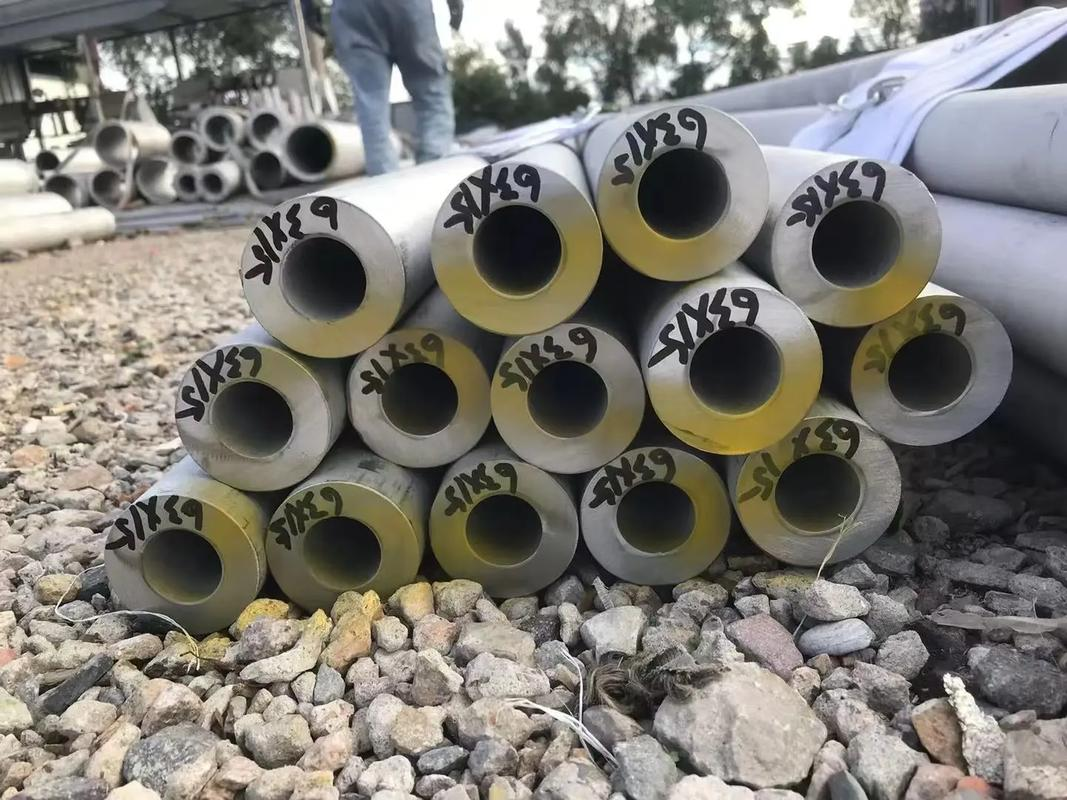
ASTM A202/A202M

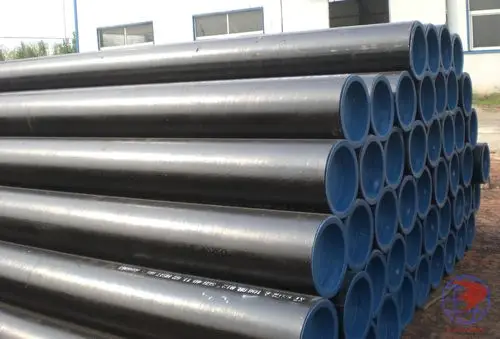
API 5L X52

API 5L X52

Product introduction

I. Mechanical Properties Comparison

The table below summarizes the key differences in mechanical property requirements, which directly determine the pipe's suitability and safety.

PropertyPSL1 RequirementsPSL2 RequirementsInterpretation of Key Differences
Specified Minimum Yield Strength (SMYS)≥ 52,000 psi (360 MPa)≥ 52,000 psi (360 MPa)The fundamental strength definition is identical; this is the core of the grade.
Minimum Tensile Strength≥ 66,000 psi (455 MPa)≥ 66,000 psi (455 MPa)The lower strength limit is the same, but PSL2 typically controls the upper limit to ensure uniform properties.
Yield-to-Tensile Ratio (Y/T)Not SpecifiedTypically ≤ 0.93A core safety indicator. The PSL2 limit ensures sufficient plastic reserve after yielding, preventing sudden brittle fracture.
ElongationCalculated per formula; lower requirement.Calculated per the same formula; actual values are typically higher.Measures ductility. Due to superior composition and process, PSL2 exhibits better actual ductility.
Impact ToughnessNot RequiredMandatory RequirementThe most fundamental distinction. PSL2 requires passing Charpy V-notch impact tests at specified temperatures, guaranteeing crack propagation resistance under low-temperature or impact conditions.
HardnessNo requirement.Usually a maximum is specified (e.g., ≤250 HBW).Hardness control ensures good field girth weldability and reduces cracking risk in demanding environments.

II. Chemical Analysis Comparison

Chemical composition is the root cause of the mechanical property differences. PSL2 achieves a combination of strength, toughness, and excellent weldability through stringent compositional design.

Element/RequirementPSL1 Chemistry (Typical Max. %)PSL2 Chemistry (Typical Range/Limit %)Design Philosophy Analysis
C (Carbon)≤ 0.260.05 - 0.12Core difference. PSL2 employs an ultra-low carbon design, fundamental for high toughness and superior weldability.
Mn (Manganese)≤ 1.401.20 - 1.50PSL2 uses manganese for solid solution strengthening, but its content is precisely controlled in line with carbon equivalent.
P (Phosphorus)≤ 0.030≤ 0.020 (often lower)Harmful element. PSL2 demands very low phosphorus, key for achieving high low-temperature impact toughness.
S (Sulfur)≤ 0.030≤ 0.010 (often ≤0.005)Harmful element. PSL2 requires ultra-low sulfur, significantly improving toughness, isotropy, and resistance to Hydrogen Induced Cracking (HIC).
Micro-alloying ElementsNot specifiedNb: 0.02-0.05, V: 0.03-0.06, Ti: 0.01-0.03Core technology. Adding Niobium, Vanadium, Titanium enables grain refinement and precipitation strengthening to achieve strength with low carbon.
Carbon Equivalent (CE)No requirementCE(IIW) ≤ 0.43 (Typical 0.36-0.40)Core weldability indicator. Strict CE上限 ensures excellent field weldability, minimizing the risk of hard zone cracking in the Heat-Affected Zone (HAZ).
Key ProcessConventional hot rollingThermo-Mechanical Controlled Processing (TMCP) or NormalizingPSL2 uses advanced TMCP to refine the grain structure, further optimizing the strength-toughness balance.

III. Comprehensive Conclusion and Material Selection Advice

  1. Performance Positioning: X52 is a mature, medium-strength pipeline steel with balanced comprehensive properties.

  2. Core Difference: PSL1 is a "basic strength" steel, while PSL2 is a "high-strength, high-toughness" steel. They share a name but represent a generational gap in intrinsic quality (especially toughness and weld safety).

  3. Material Selection Guidelines:

    • For low-pressure, non-critical applications, or structural supports, cost-effective PSL1 X52 may be considered.

    • For any safety-related oil and gas transmission pipeline (regardless of pressure)PSL2 X52 must be selected. This is industry standard practice.

    • For harsh conditions like sour service, choose a variant with additional requirements, such as X52MS (Sour Service grade), based on PSL2.

  4. Application Scenarios:

    • PSL2 X52: Onshore oil/gas gathering lines, medium/low-pressure natural gas and product pipelines, pipelines traversing standard terrains.

    • PSL1 X52: Low-pressure water/gas systems, piling, non-pressure structural applications.

Final Recommendation: Always clearly specify "API 5L PSL2 X52" in technical data sheets and request third-party inspection reports to verify full compliance with standards for chemical composition and mechanical properties (especially impact toughness).


Are you also interested in further steel processing (machining)?

Just like you, 70% customers choose long-term cooperation with BBN steel not only for our good product and service quality, good reputation in the international market, but also for our experienced one-stop raw material supply and further steel processing!

Fabrication and Machining Service 24h Technical support

Contact Us

Shandong Chengda Steel Co., Ltd.

Send Order Request

Shandong Chengda Steel Co., Ltd.

Service