



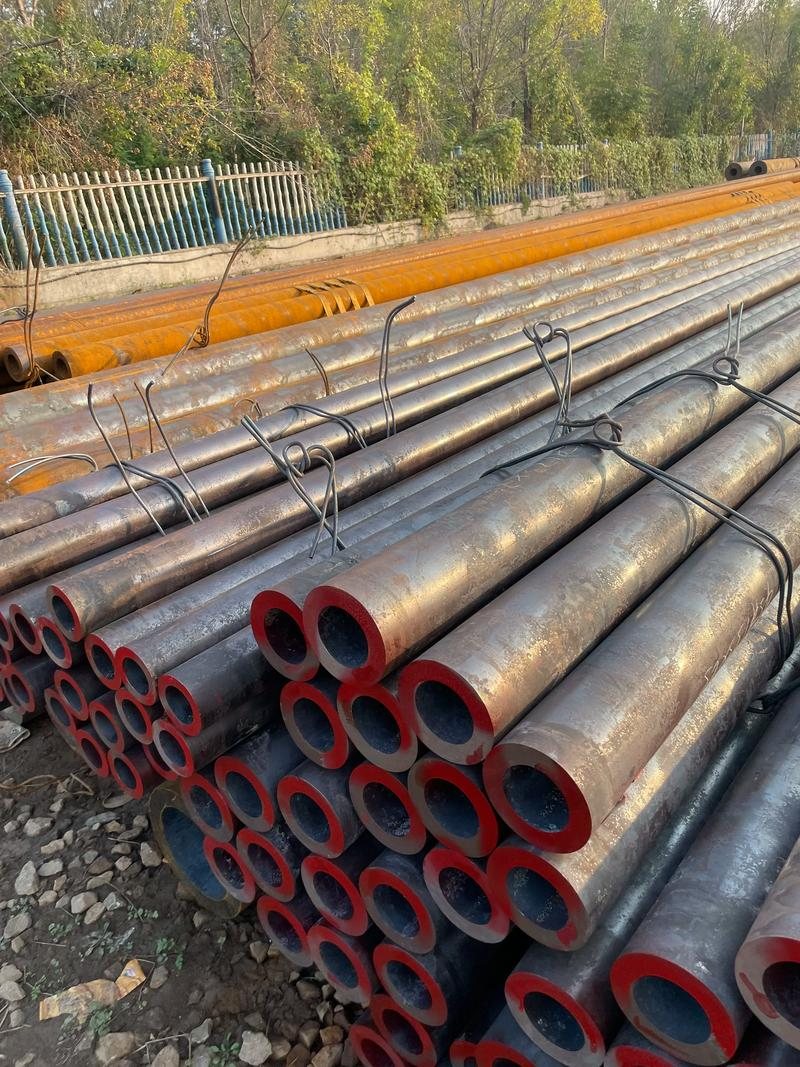
Product introduction
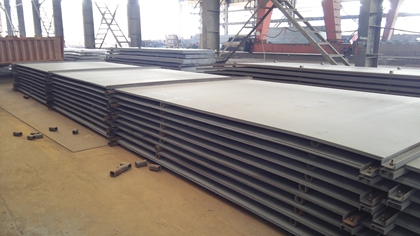
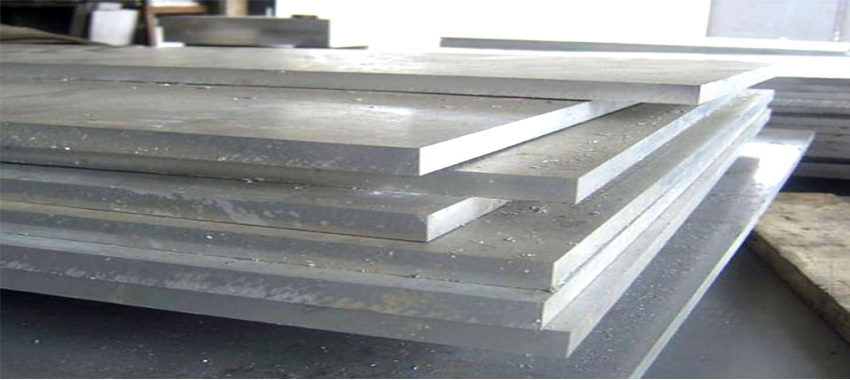
A36 steel is a low-carbon structural steel widely used in construction, bridge building, and general structural applications. It conforms to the ASTM A36/A36M standard and offers good weldability, ductility, and strength at a relatively low cost.
| Element | Composition (%) | Role in Steel Properties |
|---|---|---|
| Carbon (C) | 0.25–0.29% | Increases strength, reduces ductility |
| Manganese (Mn) | 0.80–1.20% | Enhances strength and hardenability |
| Phosphorus (P) | ≤ 0.04% | Improves machinability (excess causes brittleness) |
| Sulfur (S) | ≤ 0.05% | Improves machinability (excess reduces toughness) |
| Silicon (Si) | 0.15–0.40% | Deoxidizer, improves strength |
| Copper (Cu) | ≥ 0.20% | Enhances atmospheric corrosion resistance |
| Iron (Fe) | Balance | Base metal |
Note: A36 may also contain trace amounts of chromium, nickel, molybdenum, and vanadium.
| Property | Value (Imperial) | Value (Metric) | Testing Standard |
|---|---|---|---|
| Yield Strength (min) | 36,000 psi | 250 MPa | ASTM A370 |
| Tensile Strength | 58,000–80,000 psi | 400–550 MPa | ASTM A370 |
| Elongation (in 2") | 20% (min) | 20% (min) | ASTM A370 |
| Modulus of Elasticity | 29,000,000 psi | 200 GPa | - |
| Poisson's Ratio | 0.26 | 0.26 | - |
| Shear Modulus | 11,500,000 psi | 79.3 GPa | - |
| Brinell Hardness | 119–159 HB | 119–159 HB | ASTM E10 |
Tensile Property Comparison (Typical Values)
↑
|
|                [80,000 psi]
|                |===========|
|
|        [58,000 psi]
|        |===========|
|
| [36,000 psi]
| |===========|
|________________________________→
   Yield         Tensile
  Strength       Strength
Visual explanation: The chart above illustrates the typical yield strength (minimum 36,000 psi) and tensile strength range (58,000–80,000 psi) of A36 steel.
Weldability: Excellent due to low carbon equivalent (typically 0.40–0.45%)
Machinability: Good (rated at 72% compared to 1212 steel as 100%)
Formability: Good ductility allows for bending and forming
Heat Treatment: Not typically heat-treated; properties are achieved through hot-rolling
Corrosion Resistance: Limited; requires protective coatings for corrosive environments
Structural frames for buildings and bridges
Plate work in industrial equipment
Truck frames and trailer parts
Base plates and bearing plates
General fabrication where high strength is not critical
A36 is often compared to:
A572: Higher strength (42–65 ksi yield strength grades)
A516: Pressure vessel steel with better impact properties
1018: Cold-rolled steel with better surface finish and tighter tolerances
Not suitable for high-temperature applications (strength decreases above 400°F/204°C)
Lower strength compared to HSLA (High-Strength Low-Alloy) steels
Requires corrosion protection in harsh environments
Just like you, 70% customers choose long-term cooperation with BBN steel not only for our good product and service quality, good reputation in the international market, but also for our experienced one-stop raw material supply and further steel processing!
Shandong Chengda Steel Co., Ltd.
 Language

 Online Contact Us


